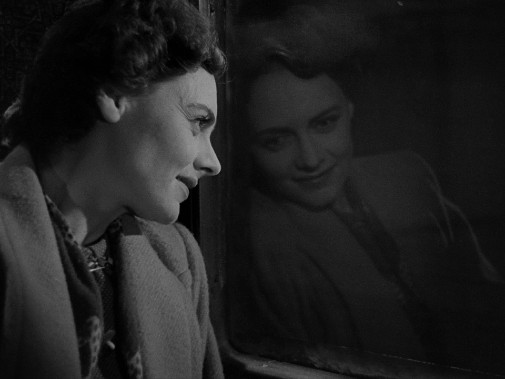
Best Actress in the Post-War: An Alternative Oscar History
 Thursday, October 22, 2026 at 10:00PM
 Olivia de Havilland won Best Actress twice in the late 40s. First, for Mitchell Leisen's TO EACH, HIS OWN in 1946, and, then, for William Wyler's THE HEIRESS in 1949.
At long last, after a month of endless TIFF and NYFF reviews, the Alternative Best Actress series makes its grand return. For now, let's ease back into pre-fall festival season rhythms with a write-up that considers only four Oscar years, 1946-49.
They were those of the immediate post-war, when the Best Actress queens of the decade's first half - Garson, Davis, Hepburn - seemed to lose the Academy's favor, while new favorites emerged. In one of Old Hollywood's most infamous and contested family feuds, Fontaine won the Oscar before de Havilland, but Olivia finished the 40s with two little golden men to her sister's one. Rosalind Russell thought it was finally her time to win gold, but the Academy had other ideas, like a newfound fondness for preposterous Scandinavian accents and Loretta Young. Jane Wyman won for a mute performance, while Susan Hayward shouted and wallowed her way to multiple nominations. Finally, having grown tired of one red-headed English Rose, AMPAS turned their eyes to another, with Kerr closing the decade with the beginning of her "always the bridesmaid, never the bride" run of Best Actress nominations.
But that's reality, actual Academy Award history. What about my own version? If I had a ballot, some things would've gone differently, to say the least...