Oscar History
Film Bitch History
Welcome

The Film Experience™ was created by Nathaniel R. All material herein is written by our team. (This site is not for profit but for an expression of love for cinema & adjacent artforms.)

Follow TFE on Substackd

Powered by Squarespace
COMMENTS
What'cha Looking For?
Subscribe

Entries in Mexico (59)

Friday
Apr222016

Every Dog Has Its Day: Iñárritu, 16 Years and 2 Directing Oscars Later

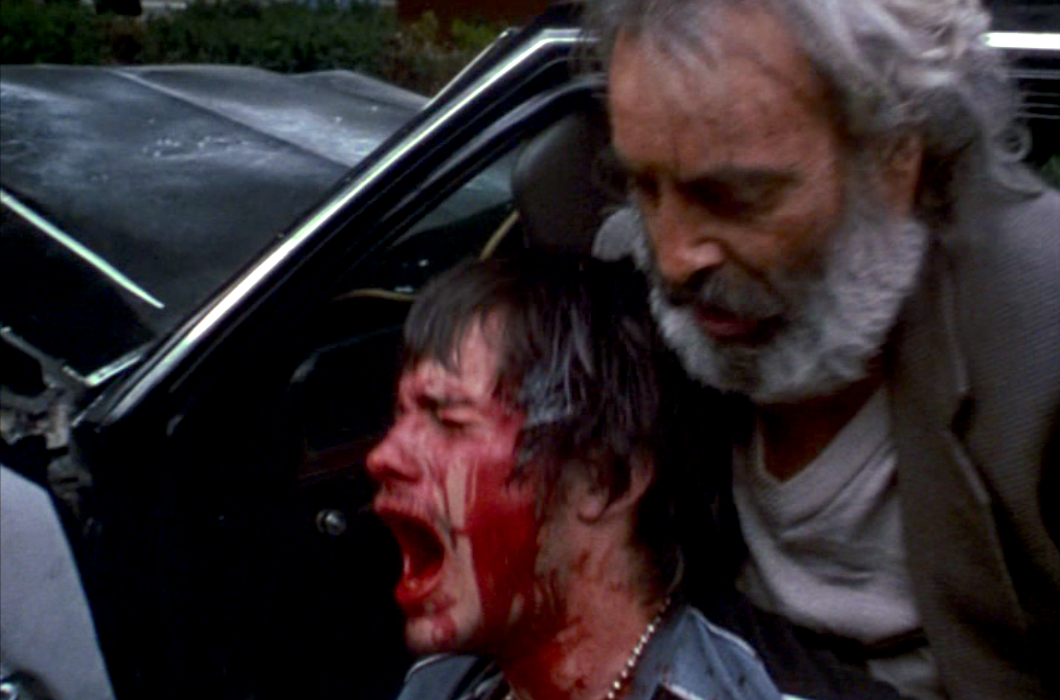
Eric here to discuss cinema’s currently-most-celebrated director, Alejandro Gonzalez Inarritu. As Nathaniel has noted previously, all six of Inarritu’s feature films have gotten Oscar attention in one way or another, and of course much has been written about his being the first filmmaker since 1950 to win the Best Director Oscar two years in a row. He's also just been named to the Time 100 "Icons" List.  So there’s no better time than to look back to Inarritu’s first feature, 2000’s Amores Perros, to see where he started and where he’s landed.  

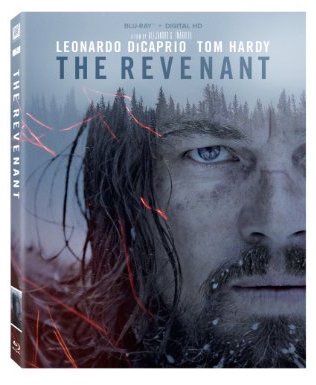
Watching Amores Perros (2000) for the first time since its initial release, I was struck by how even at the start of his career, Inarritu picked extraordinarily difficult environments to shoot in.  The logistics for Amores Perros can’t have practically been much easier than the ones we are all sick of hearing about with The Revenant.  His debut feature has him shooting all over Mexico City (inarguably one of the world’s most chaotic cities), with a colossally large group of actors, and constructing a large-scale and crucially precise car wreck sequence that pays off to all three of the film’s narratives in different ways.  Plus throw in a lot of very difficult (and legally tricky) scenes with huge groups of dogs fighting, bleeding, and getting shot.  Inarritu’s self-masochism was alive and well from the very start. [More...]
Click to read more ...

Tuesday
Dec082015

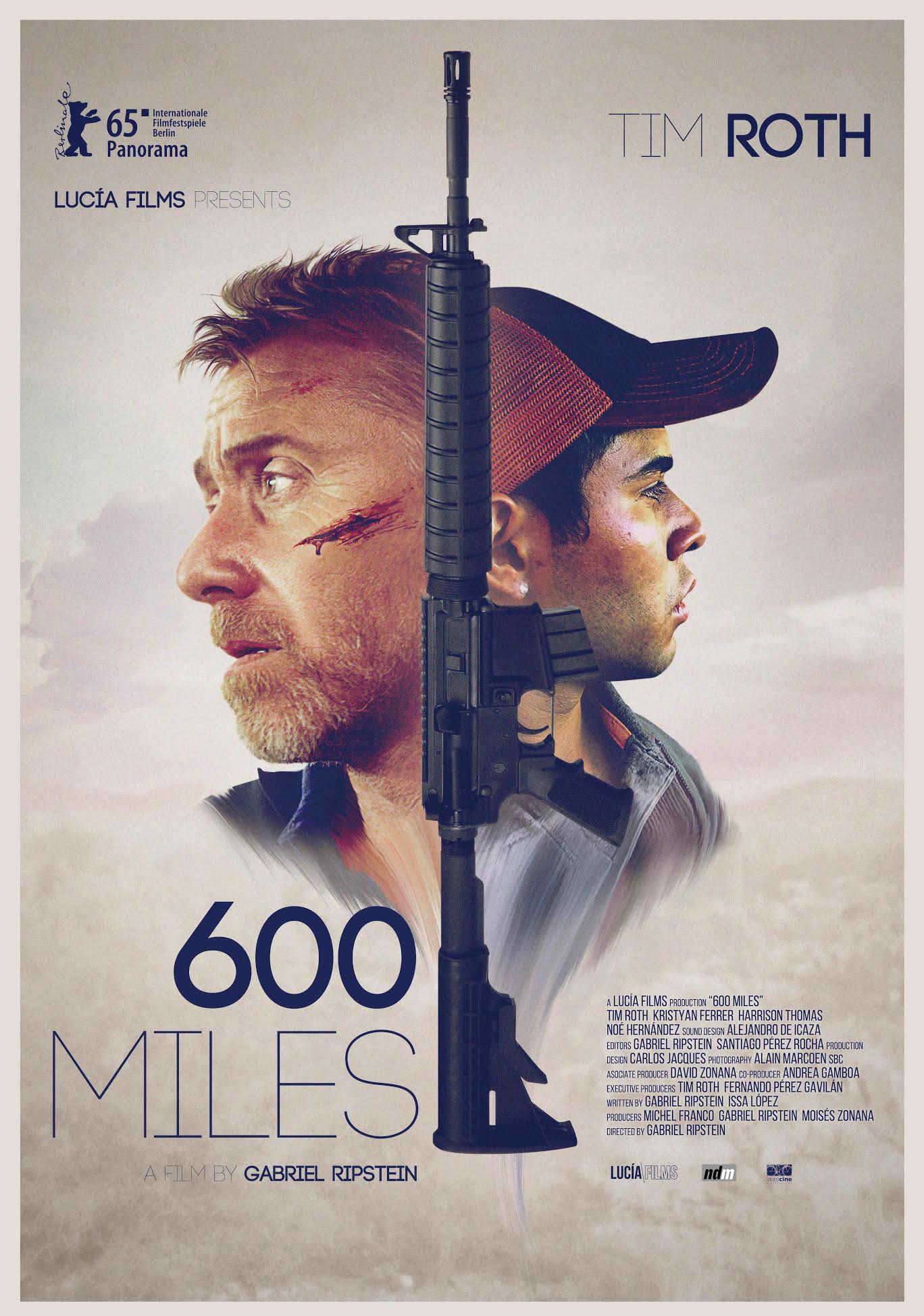
Interview: Director Gabriel Ripstein on Mexican Oscar Submission '600 Miles', and Working with Tim Roth

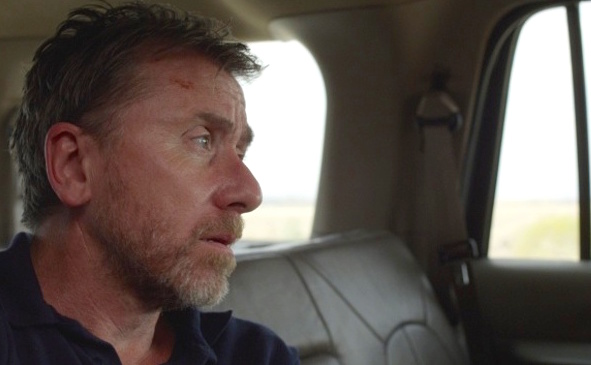
Jose here. I spoke to 600 Miles director Gabriel Ripstein minutes after an earthquake hit Mexico City on November 23rd and unexpectedly became the bearer of bad news when I asked him if his family was alright. Mr. Ripstein wasn’t aware there’d been an earthquake, but calmly added “no news is good news”. His serene demeanor reminded me of the tone of his film, a weapon-trafficking tale which could’ve easily become a sensationalist drama, but instead goes for an understated, thoughtful approach. The film stars Tim Roth as an American ATF agent who is kidnapped by a Mexican weapons smuggler played by Kristyan Ferrer (who audiences will know from Sin Nombre).

Ripstein allows his actors to revel in the humanity of these characters and delivers a film that goes beyond “odd couple” clichés, to comment on an issue that doesn’t get as much coverage as the war on drugs or terrorism. Because of its confident pacing and bold mise-en-scene, one wouldn’t guess from watching the film, that it also happens to be Ripstein’s directorial debut (it won the award for Best First Feature at the Berlinale), and yet, the first time filmmaker impressed members of the Mexican Film Academy so much that they submitted his film as their Oscar entry. I spoke to Ripstein about working with Roth, the incredible cinematic legacy of his family, and what an Oscar nomination might mean for his career. 

Read the interview after the jump...


Click to read more ...

Wednesday
Jun242015

The Treasure of the Sierra Madre (1948)

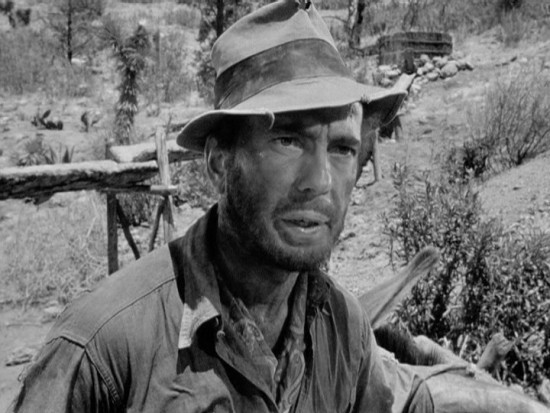
We're looking back into 1948 ahead of this weekend's Smackdown. A world away from all of those women, though, John Huston was making one of cinema's most famous films about men. Here's David...

It was evident from the gilded treachery on display in The Maltese Falcon that John Huston was a filmmaker fully aware and largely in thrall to the darker side of human nature. World War II changed him, as it did millions of American men. An adaptation of B. Traven’s 1927 novel, The Treasure of the Sierra Madre was the first feature Huston made following his time making war documentaries for the U.S. government, and while its setting and subject are quite estranged from the war – three men mining for gold in 1925 Mexico – it betrays the even grittier experiences Huston had witnessed abroad. If the film is about greed, as has long been celebrated, it just as much about the deep insecurities of masculinity.

More...

Click to read more ...

Wednesday
Nov052014

Threads: "I love her to death"

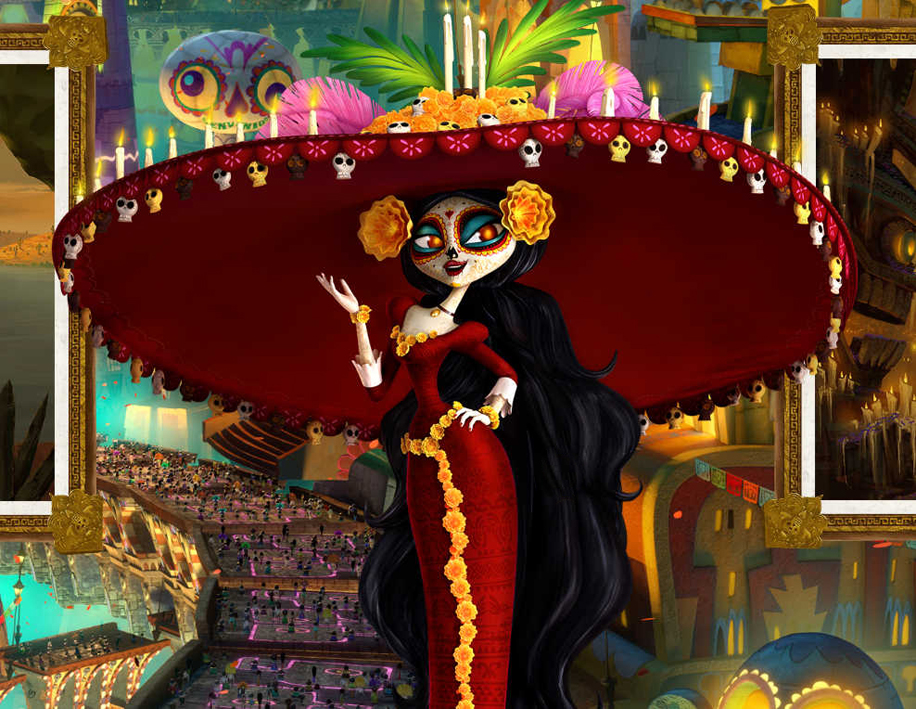
Jose here, each Wednesday in "Threads" we'll be obsessing over a single costume we're fixated on that week. This week, because we're coming down from a Halloween candy sugar rush, we discuss the exuberant elegance of La Muerte in The Book of Life (which Nathaniel had already suggested as a great Halloween costume). 

 
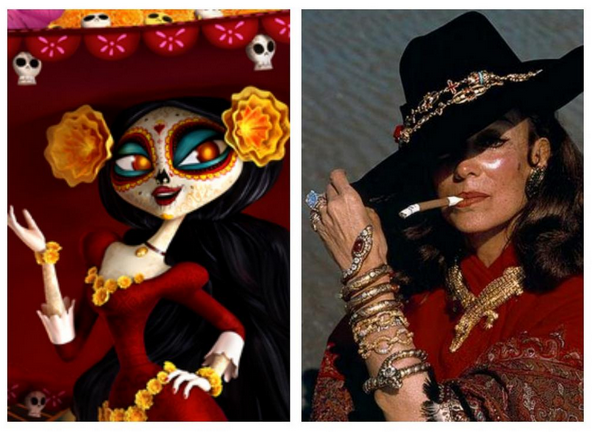
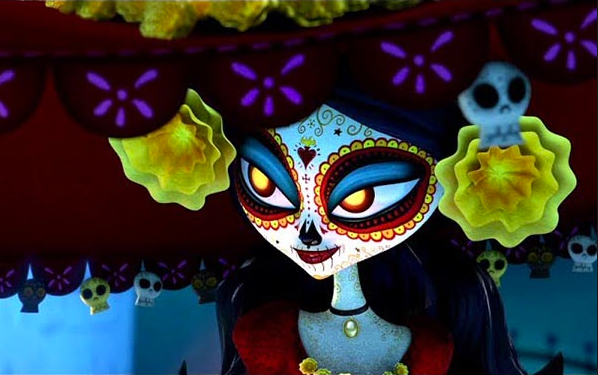
Clad in tight-fitting red fabric from top to bottom, La Muerte’s (voiced by telenovela superstar Kate del Castillo) outfit only truly comes to life through its accessories; particularly that larger than life hat adorned with hanging skulls, flowers and candles, all of which are dazzling to behold from an aesthetic perspective, but are fascinating because of their symbolic meaning. La Muerte, which is Spanish for “death” is a festive representation of the Mexican Day of the Dead, in which family members visit the graves of their deceased ones and bring them offerings which include chocolate skulls, sugar bread and tequila.

This particular vision of death, not as a Grim Reaper, but a beautiful, even sexy skeleton, became iconic after illustrator José Guadalupe Posada created it as a satirical representation of Mexicans who had adopted foreign traditions and were betraying their culture. The Catrina, as it’s known in Spanish (“catrina” also means “well dressed”) featured in the film combines several cultural elements (notice the Aztec prints on her dress and the altar on her hat) and also pays homage to one of Mexico’s greatest screen legends: María Félix, who was known for her larger than life personality, unique sense of style and her memorable performances.

Félix inspired artists like Diego Rivera, Bridget Tichenor, Christian Dior, Yves Saint Laurent and the jewelers at Cartier, who designed a now legendary snake necklace just for her. She also inspired Francis Cabrel to write the song “Je l'aime à mourir” for her, literally “I love her to death”, talk about coming full circle...

Related: this year's Oscar race for animated feature
Anne Marie interviewed Book of Life exec producer Guillermo del Toro and director Jorge Gutierrez
Previously on "Threads": Snowpiercer 

Thursday
Oct162014

Interview: Jorge Gutierrez & Guillermo del Toro on "The Book of Life"

Jorge Gutierrez has won two Annie awards and an Emmy, but in order to get his passion project The Book Of Life (which opens tonight!) onto the screen, he needed a little help. Gutierrez found it in Guillermo del Toro. The Mexican fantasy director has been using his production company to foster new visions in genres like horror and animation. A little bit Orpheus and Euridice, a little bit Dia de Los Muertos, and a little bit musical theater, The Book Of Life is anything but ordinary.

Anne Marie here. I was lucky enough to interview Guillermo del Toro and Jorge Gutierrez when they came to San Diego Comic Con in July. But before I could even start asking questions, del Toro noticed the squid design on my necklace, and launched into a rhapsodic monologue about his favorite movie, 20,000 Leagues Under The Sea. From that point on, I basically just held on to my seat as del Toro and Gutierrez riffed on each other with the ease of good friends and partners. They discussed everything from Ray Harryhausen to the purpose of a director to whether children’s movies need bad guys.

Here's how it went...

GUILLERMO DEL TORO: [20,000 Leagues Under the Sea] is a magnificent movie. And to this day I collect models of the Nautilus.

ANNE MARIE: Of the Nautilus?

GUILLERMO DEL TORO: Yeah. I have, I think I have most every one, except the ten meter one, which is too big for me... But I have the 3 ft one. I have the little ones, the medium ones, the electric ones, the ones that light up [JG laughs] the ones that make a little noise, all of that. That and The Time Machine are my two favorite sort of steampunk-y pieces of design.

JORGE GUTIERREZ: It’s awesome. It holds up, too. Anyways! [Laughs]

ANNE MARIE: You’ve both described The Book of Life as a personal pet project. Can you talk a little about the process of getting it going?

JORGE GUTIERREZ: Absolutely! Fifteen years I’ve been working on this, based on a student short I did at Cal Arts. When I graduated I pitched it everywhere. Everyone said, “Nah, you’re just a kid out of school. No one wants to see this stuff.”

GUILLERMO DEL TORO: “You don’t understand.”

JG: “You don’t understand. We need talking animal movies.” Literally, that’s what I was told at every meeting.

[More...]

Click to read more ...