Oscar History
Film Bitch History
Welcome

The Film Experience™ was created by Nathaniel R. All material herein is written by our team. (This site is not for profit but for an expression of love for cinema & adjacent artforms.)

Follow TFE on Substackd

Powered by Squarespace
COMMENTS
What'cha Looking For?
Subscribe

Entries in politics (407)

Wednesday
Sep232020

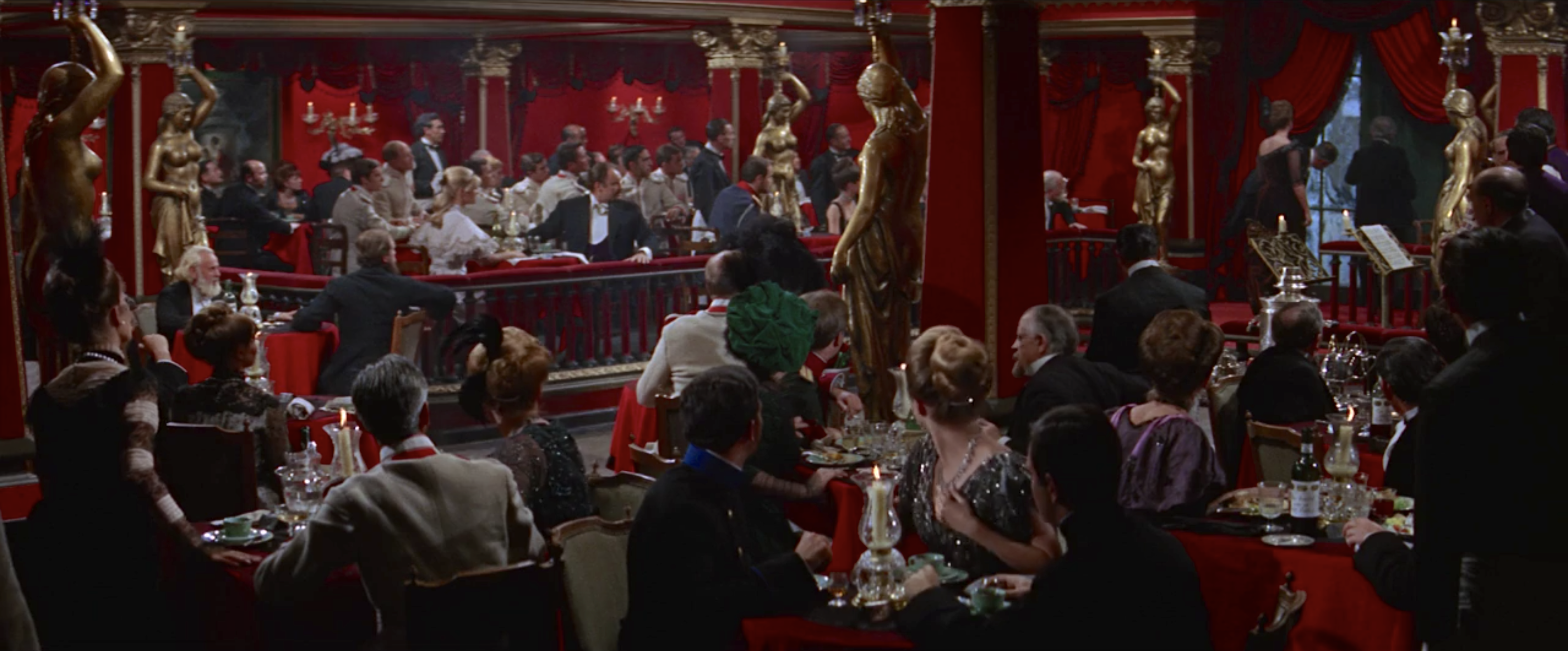
The Furniture: The frozen escape of "Doctor Zhivago"

"The Furniture," by Daniel Walber. (Click on the images for magnified detail)

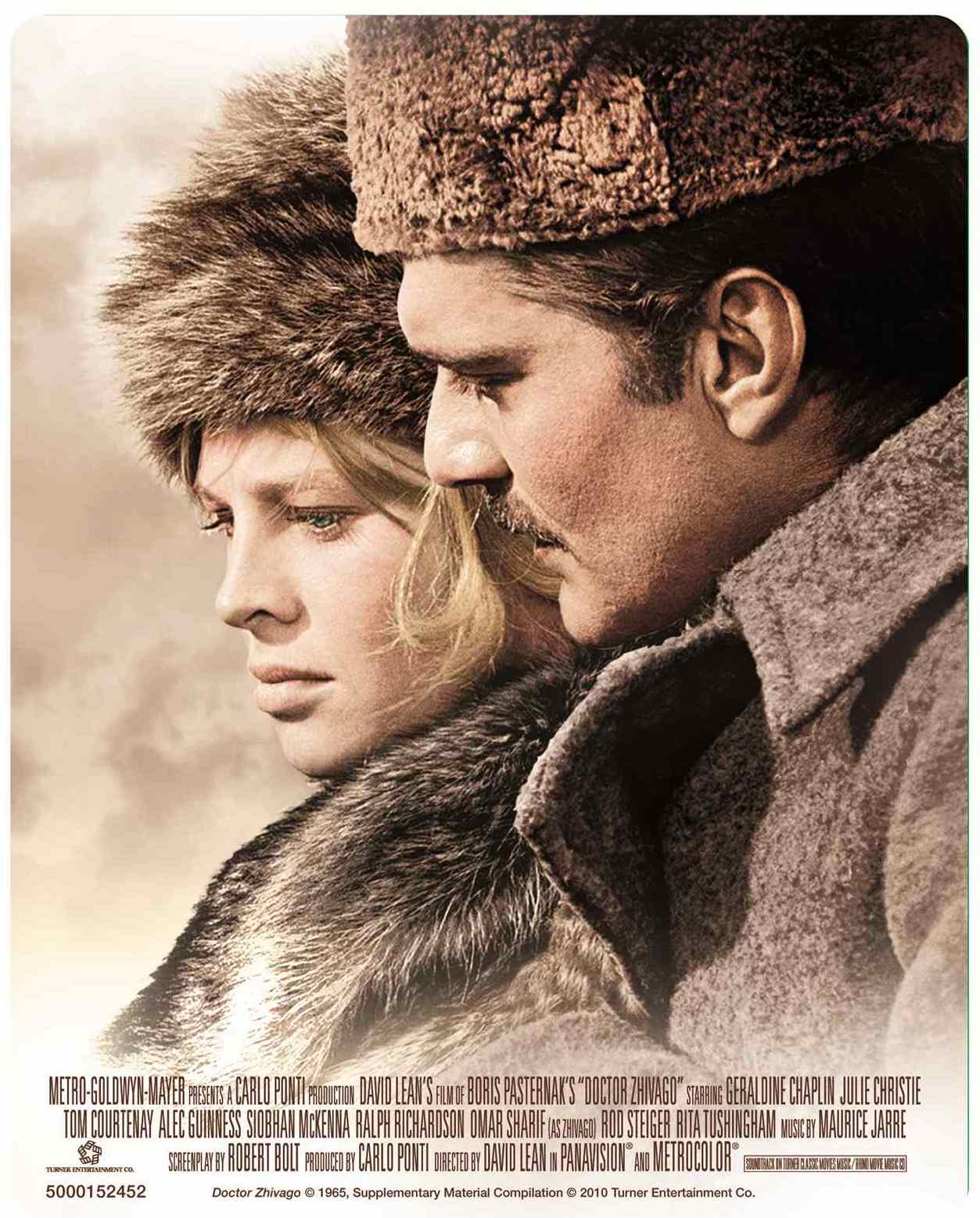
Ten movies were nominated for Best Production Design at the 1965 Oscars, one of the last years before the Academy retired separate categories for color and black & white. There are some striking examples on the list, from the bloated (The Agony & the Ecstasy, Ship of Fools) to the bizarre (Inside Daisy Clover). But when you come down to it, there’s really no looking past Doctor Zhivago.

This was David Lean’s second consecutive film to win the category, after Lawrence of Arabia three years earlier. While their visual scope is similar, the two films actually have very different preoccupations. Lawrence of Arabia is about a man determined to shape history. Doctor Zhivago is about a man trying to escape it. Understanding the difference helps us understand the design.

We begin on the eve of the Russian Revolution, a moment of great social contrasts...

Click to read more ...

Tuesday
Sep222020

Why are so many lesbian films set in the past?

by Anna

Ammonite (2020)

With Ammonite's trailer now familiar and the film and Kate Winslet continuing on the festival and press rounds, there's been buzz aplenty for Francis Lee’s follow-up to the excellent God’s Own Country. That said, there are some who have a quibble or two. Jill Gutowitz expressed mild annoyance, asking:

Does every lesbian movie have to be two severely depressed women wearing bonnets and glancing at each other in british accents?

(She followed up by saying she’ll be seeing Ammonite.) It is a good question. And why are so many recent WLW-themed works period pieces?

Click to read more ...

Tuesday
Sep222020

Almost There: Reese Witherspoon in "Election"

by Cláudio Alves

A few weeks ago, we asked you to vote on what performances should be analyzed on the Almost There series. While Myrna Loy in Test Pilot won the poll of 1938 specific titles, John Cazale's supporting turn in Dog Day Afternoon was your pick from a selection of new to streaming titles. But your runner-up choices will also get their chance to shine. Cazale won, but Reese Witherspoon's iconic performance as Tracy Flick in Election was close behind…

Click to read more ...

Monday
Sep212020

NYFF: Laura Dern's first leading role and a lost Blaxploitation treasure

Sean Donovan looks at two films from NYFF's "Revivals" section...

The major film festivals of the world, New York included, take as much responsibility for cinema’s past as its future. Alongside new hyped arthouse projects, festivals program curios from the past that may have fallen through the cracks or not received their due recognition in their day. In other instances, festivals re-deploy older films to the contemporary moment in an act of deliberate commentary, the film speaking to culture in a way that feels freshly vital for 2020 (that is certainly the case of one of the selections profiled here). Over the past weekend, New York Film Fest virtual cinema uploaded two of their revival selections, Joyce Chopra’s Sundance-winning drama Smooth Talk (1985) and a Blaxploitation cult film The Spook Who Sat by the Door (1973). Both are canny, fascinating picks from the NYFF, and well worth the revisit in 2020...

Click to read more ...

Tuesday
Sep082020

New Oscars Rules for Representation / Inclusion

AMPAS has been busy these past ten years or so dealing with rapid cultural changes and political pressure as well as, let's be honest, fallout from their own various blindspots. Though I know I pissed off many people back in the day when I argued that the Academy was taking more of the blame for #OscarsSoWhite than they perhaps deserved (in that they can only vote on the movies that are made), people who pushed back had a solid point: the Academy is the face and reputation of the American film industry. So even though the Academy isn't an organization that makes movies, their success as the symbolic representation of THE MOVIE INDUSTRY means they are culpable. Starting with the smart diversity initiatives set in place by Cheryl Boone Isaacs's terms as AMPAS president, they've made significant strides at being more inclusive. Today the Academy took a much more specific step forward. They've set up rules of representation and inclusion in order to be Oscar eligible in the first place starting with the 96th Oscars (2023 film year / 2024 ceremony).

You can read the whole press release at their official site but it boils down to this...

Click to read more ...