Oscar History
Film Bitch History
Welcome

The Film Experience™ was created by Nathaniel R. All material herein is written by our team. (This site is not for profit but for an expression of love for cinema & adjacent artforms.)

Follow TFE on Substackd

Powered by Squarespace
DON'T MISS THIS
What'cha Looking For?
Subscribe
Saturday
Dec272014

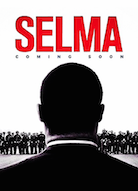
Review: Selma

Michael C. here with your weekend review

Among the many achievements of Ava DuVernay’s tremendous Selma, the biggest may be that it rescues Martin Luther King from canonization as a two dimensional political saint. In the thirty years since Reagan declared a national holiday in his honor, the rough edges have been sanded off King’s legacy, its complexities all but deleted from the public consciousness. The remaining image is a positive but reductive one. To focus solely on King the martyr, standing at the podium, speaking about his dream of a world without prejudice is to gloss over all the messy grunt work that actually went into altering the course of history.

Now we have Selma, which not only restores King’s humanity, but his agency as a shrewd political strategist. The result is a film that doesn’t just bring the 1965 Selma marches blazing out of the history books but reflects current society back at us with riveting urgency.

I can already feel myself fighting a reluctance to go on extolling Selma’s importance for fear it might appear I am awarding the film bonus points for good intentions and right thinking. So let’s be clear: Selma is above all a triumph of filmmaking, proving that tackling Oscar-friendly material need not lead to a finished film that exudes a tepid, play-it-safe attitude. I can’t recall a moment where I found DuVernay’s film falling short, its grasp equal to its considerable reach at every turn.

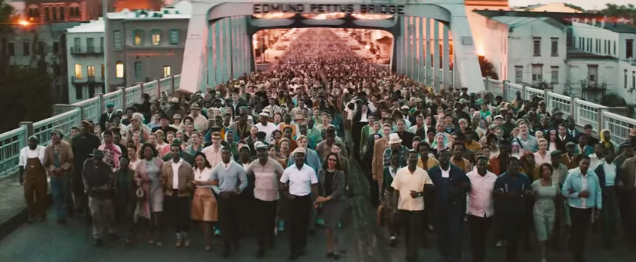
Like many of the best biographical films, Selma avoids a birth-to-death retelling of King’s life, letting a narrow portion stand in for the whole. DuVernay’s film picks after King has delivered his “I have a dream” speech”, portraying the months when he organized a series of marches from Selma to Montgomery to protest the infringement on voting rights for southern blacks. With the recent passage of the Civil Rights Act ending legal segregation, President Johnson expects a grateful King to refrain from stirring up trouble, but he is dismayed to find King will not be deterred or even delayed. Instead, Dr. King plans to exert pressure on LBJ by goading the worst of the racist southern bullies into attacking peaceful protesters in front of TV cameras so the ensuing horrors can be beamed directly into the homes of sympathetic northern white audiences.

Selma’s portrayal of the appalling violence endured by protesters is heart stopping in its immediacy. I don’t think I will ever forget the image of a policeman on horseback emerging from a tear gas haze brandishing a whip at fleeing protesters. But where a lesser film would see such material as an end on to itself, Selma uses it as the jumping off point to a wider, more complex picture. The film recalls Lincoln in its depiction of the behind the scenes wheeling and dealing that makes historic change possible, but DuVernay's is the sharper, more disciplined affair, lacking Spielberg’s weakness for schmaltzy emotional crescendos. The script by Paul Webb, reworked by DuVernay, doesn’t shy away from making pointed political critiques either. Scenes contrasting King’s organization against a less effective local civil rights group make an unambiguous statement about the need for protests to be media savvy in pursuit of tangible political goals.

Special salute also to Bradford Young’s striking cinematography, which keeps things intimate and visceral, a million miles away from the stilted honey-drenched lighting other “important” films lay on a with a trowel.
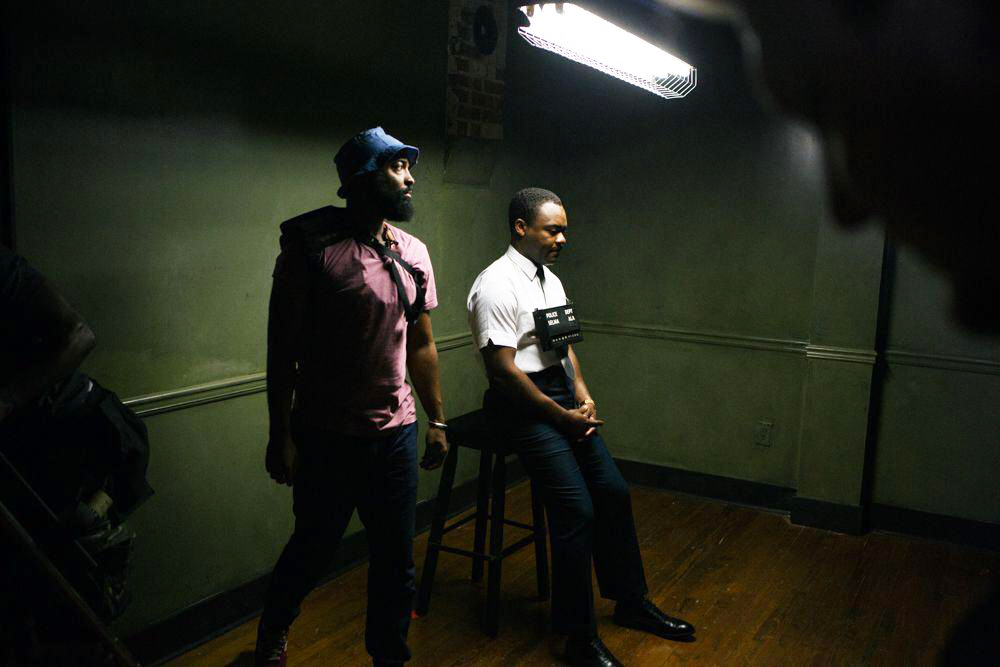
Bradford Young and David Oyelowo on set

David Oyelowo’s mighty performance as King dominates the film, as it must, but one of the pleasant surprises of Selma is how generous it is with its expansive cast. Stephen Root, Tessa Thompson, Oprah Winfrey, Wendell Pierce, Giovanni Ribisi, Martin Sheen – this is only a partial list of the actors afforded moments to shine. And in her limited screen time as Coretta Scott King, Carmen Ejogo conveys the range of their relationship as both a marriage and a political partnership.

And then there are Tom Wilkinson and Tim Roth, a pair of old English pros delivering the character actor goods as two very different southern politicians, President Johnson and Alabama Governor George Wallace, respectively. Roth wisely underplays a figure plenty loathsome without any additional hamming and Wilkinson does justice to the sharp writing by mapping out a marvelously nuanced LBJ. The climactic confrontation between LBJ and Wallace is a corker, packed with the tension of unspoken motives and opinions - right up until some of them get said aloud, that is.

David Oyelowo, is a wonder as King but not quite in the way one expects from a great man biopic performance. One is never tempted to drag out the hoary old, “I felt like I was watching the real person!” cliché. He’s close enough to King to be entirely believable, but his performance is not a feat of mimicry. His best moments are not in duplicating the history book highlights, but in showing how that commanding presence transferred to the quieter behind-the-scenes moments - a fraught confrontation with his wife, a sad audience with the father of a slain protester, a tense altercation over the phone with the president. When the actor is given free rein to let loose with a full blast of King’s oratory it is all the more spellbinding for carrying with it the accumulated power of these smaller moments.

It is shocking to reflect that it took until 2014 for such landmark events to be brought to the big screen. It would have been easy in this case for DuVernay to skim the surface and end up with a satisfying film just by depicting the material at all. By choosing to steer the movie into such ambitious territory DuVernay has proven herself a force to be reckoned with. As a portrait of political unrest in action, Selma could not be more relevant. As the arrival of a directorial heavyweight it is essential viewing. Combine all this with a take on a vital segment of modern American history surprisingly under-explored on film thus far and Selma qualifies as a cinematic event.
Grade: A
Oscar Prospects: Across the board
Related Posts | Previous Reviews

Saturday
Dec272014

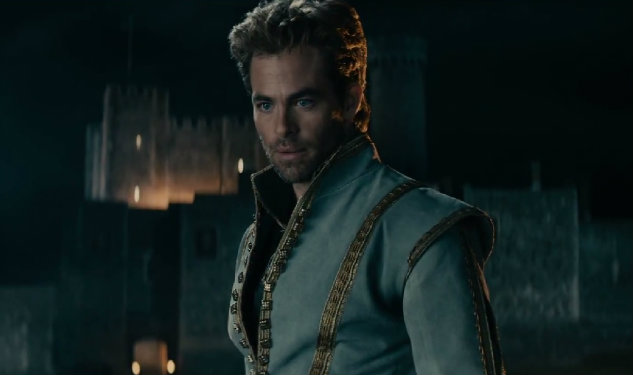
Meet the Contenders: Chris Pine "Into the Woods"

Abstew continues the contenders series highlighting one performance per opening weekend

Chris Pine as Cinderella's Prince in Into the Woods
Best Supporting Actor

Born: Christopher Whitelaw Pine was born August 26, 1980 in Los Angeles, California

The Role: After a labored development over the years (the musical opened on Broadway how long ago?!?) and much controversy before it was even released (they cut what songs exactly?!?), the film version of Stephen Sondheim's beloved musical Into the Woods finally made its way to the big screen courtesy of Disney and Chicago's Oscar-nominated helmer, Rob Marshall. The story interconnects classic characters from fairy tales (Cinderella, Little Red Riding Hood, and Rapunzel) and shows how the story continues after their happily ever afters. Joining in the colorful cast of characters is Chis Pine playing the charming Prince to Cinderella.

Click to read more ...

Saturday
Dec272014

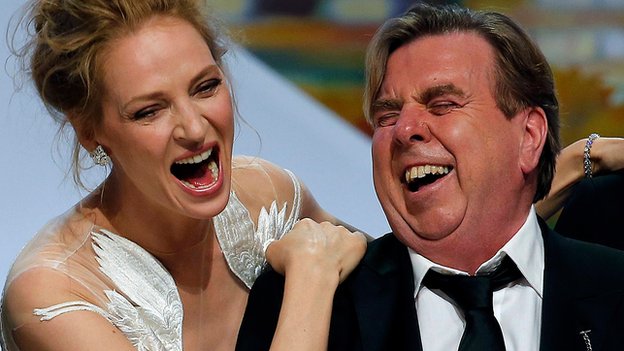
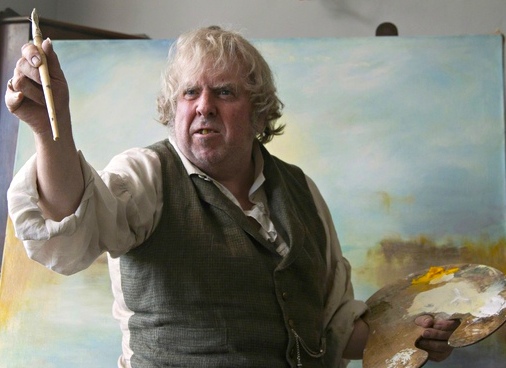
Interview: Timothy Spall on "Mr. Turner" and Fathers and Sons

Mr Turner, Mike Leigh's long gestating dream project about the romantic painter J.M.W. Turner recently hit theaters in limited release but it's buzz began back in the summer when Timothy Spall took home the Best Actor prize at Cannes for his grunted commitment to this fusion of great artist and unsavory man. Last month I had the opportunity to sit down with the Mike Leigh favorite (this is their fifth big-screen collaboration). It'd be impossible to list all the ways in which the man and role are different but the physical strikes you first. Spall has slimmed down considerably since playing what he calls this "toby jug of a man." 

The generous friendly actor, a thousand times more articulate than his current character, talked about the hazards of working with Mike Leigh, and beautiful fathers and son relationships both on screen and off. 

Nathaniel R: I’ve talked to a few actors who’ve worked with Mike Leigh. You always hear about the months of prep work and not knowing how large your role will be. You're the lead this time but is it frustrating to do the work and then just have a small part? 

TIMOTHY SPALL: I think it is. I’ve been in situations where other actors have worked a long long time and because of the way the film is structured they’ve ended up working for three months for one scene. That’s just the way it goes. It is a hazard when you work with Mike Leigh and he doesn’t hide that fact. In all the 33 years that I’ve worked with him, he’s never guaranteed I’d be the center of the piece

Well this one you had a good idea...

Unless he was shooting another film secretly in the evening about Constable.

Or a film about the Academy.

Or about Tina Turner.

Kathleen Turner

One of the Turners. [Laughs]

Click to read more ...

Saturday
Dec272014

Complete the Christmas Sentence

You know how this goes.

My favorite movie scene I watched over Christmas break was when _____________ in ____________.  

The best movie-themed gift I ever [gave/got] was ______________.

Friday
Dec262014

Entertainers of the Year, An Alternate Take

Year in Review. Two yummy lists each day. Here's Matthew Eng on "Entertainers of the Year"

Let’s face it: Jimmy Fallon is an okay if utterly predictable choice for Entertainment Weekly’s annual “Entertainer of the Year” title, which can occasionally become more of an honor for being widely-known and well-liked than, you know, being consistently entertaining. (Have they made a truly interesting choice since that three-year, Oscar-certified run of Russell Crowe, Nicole Kidman, and Denzel Washington from 2000-02?)

Rather than continue to pat the backs of those like Ben Affleck, Taylor Swift, Robert Downey, Jr., and J.K. Rowling – i.e. prominent pop culture presences and former “Entertainers of the Year” whose dominance over their respective industries is already deep and durable – let’s take a moment to honor some of our favorite hard-working actors and actresses who zig-zagged across mediums this year, making crucial contributions to the entertainment landscape, but who likely won’t be collecting any golden statues for their unique and indispensable achievements in 2014.


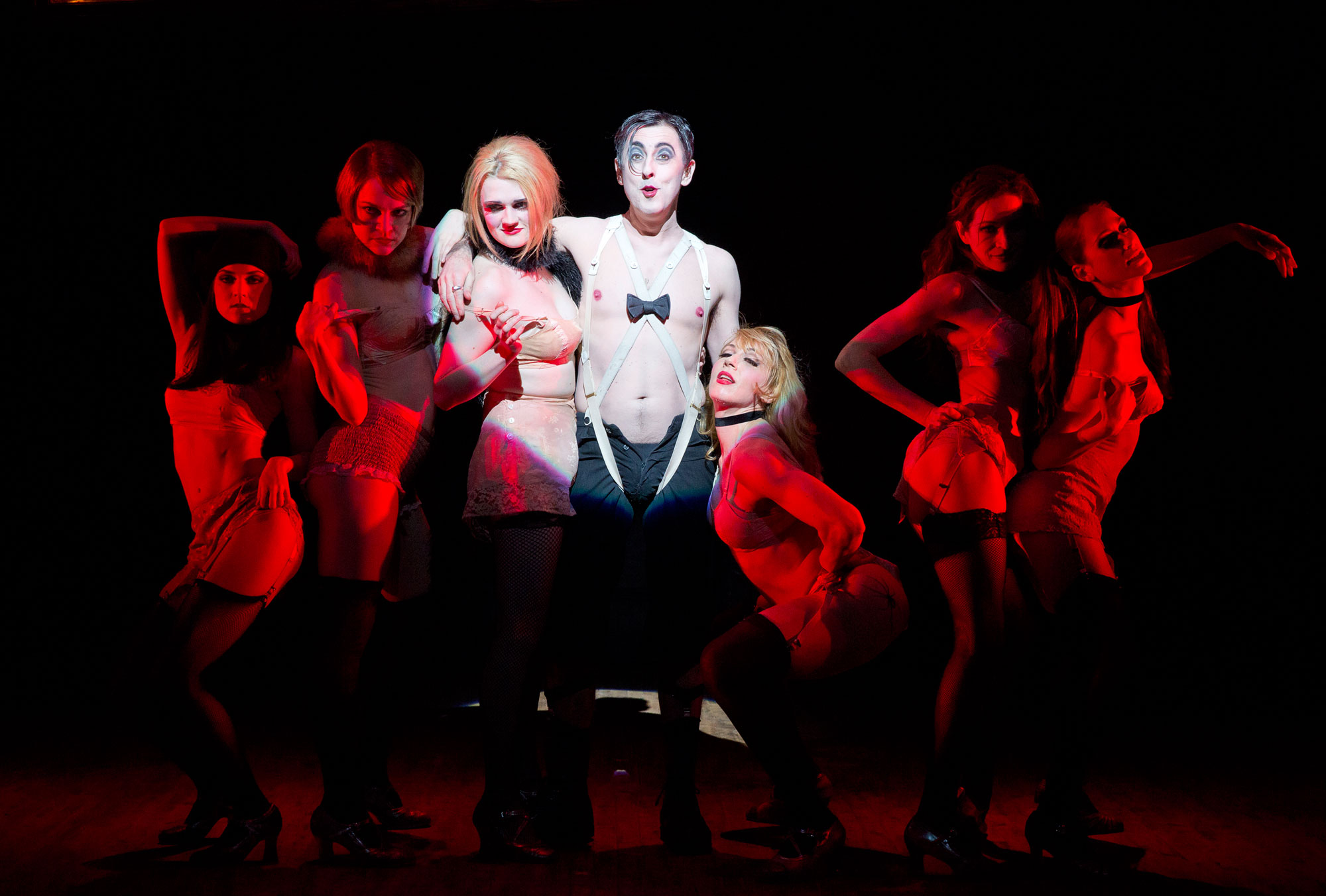
Alan Cumming, who lent his impish, adventurous energy to two wildly disparate roles this year, reprising his bawdily iconic take as the Emcee in Roundabout’s Cabaretrevival, while continuing to play his most unusual role as the sardonic and perpetually stressed-out campaign manager Eli Gold on The Good Wife, which is still the best thing on television. It’s a testament to Cumming’s versatility that he seems equally at home warbling in an evening gown and defiling chorus boys, as he does striding around an office and barking into a cellphone. In between suiting-up on screen and dressing down on stage, Cumming also penned a moving and well-reviewed memoir about his troubled childhood in Scotland entitled Not My Father’s Son.


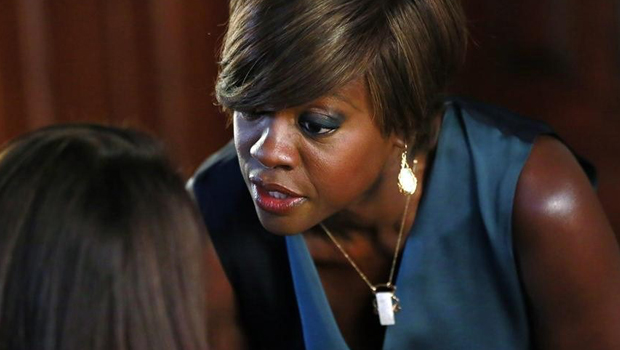
Viola Davis, who continues to be better than any of the material she’s given, but still acts the hell out of everything she appears in, all the same. I’ve already written about how gorgeously she improves the standard mother-son arc of Get On Up, but let’s also give Davis her due for surpassing such esteemed company as Jessica Chastain and Isabelle Huppert to present the only credible human being in that weirdly noncommittal triptych The Disappearance of Eleanor Rigby, in which she plays Chastain’s professor and newfound confidante to weary, seen-it-all perfection. And finally, I still have my fingers crossed that How to Get Away with Murder will work some Scandal-like magic and pick up as it goes, but Davis is unqualifiedly great and effortlessly magnetic even amid mediocrity. We can never stop beating the drum for this gloriously gifted woman.

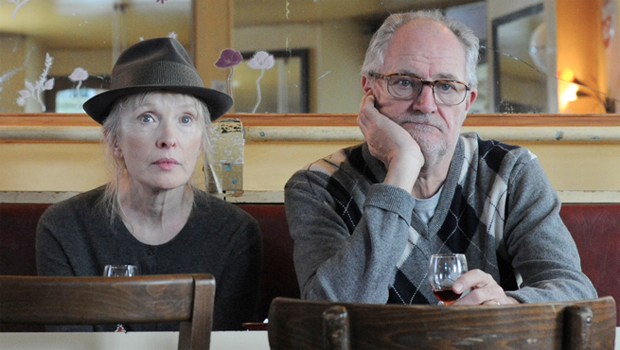
Lindsay Duncan, who, yes, played an indelible cobra as Birdman’s venomous voice of theatrical critique, but who also single-handedly dispels the lazy claims that 2014 was a weak year for lead actressing. I wish enough “pundits” would take it upon themselves to journey past their Wilds and Gone Girls and take a well-deserved look at Roger Michell’s marital dramedy Le Week-end, in which Duncan and a never-better Jim Broadbent work through the poignantly personal travails of ripened couplehood while celebrating their anniversary in Paris. Proudly reckless, boldly tetchy, and gleefully tongue-in-cheek, Week-end’s Meg is a marvel of deliciously detailed characterization and one of the acting achievements of the year, thanks to Duncan’s slyly sublime sorcery. (I mean, that voice alone!) Duncan’s also currently on the boards as Glenn Close’s acerbic, alcoholic sister in the revival of Albee’s A Delicate Balance and she’s still a staple on British television, having made appearances this year on SherlockBlack Mirror’s jaw-dropper of a first episode “The National Anthem” (only recently made available on Netflix), and The Honorable Woman, providing the latter with a quietly memorable take on the exasperated ex-wife, which leads us to…


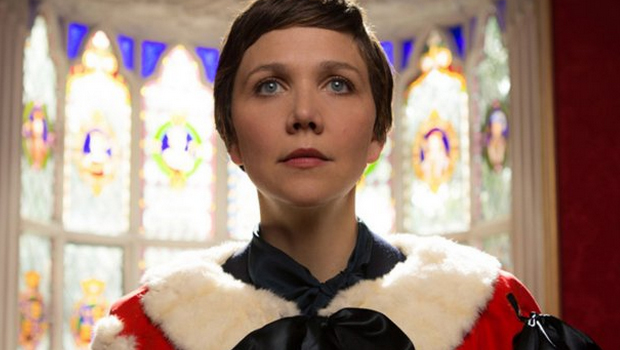
Maggie Gyllenhaal, who never really reached the summits of critic-stamped screen stardom that surely seemed attainable during the Secretary and Sherrybaby days, but who has nonetheless continued to offer terrific and thoughtful work across a variety of mediums. New Yorkers have a little more than a week to catch her in the current revival of Tom Stoppard’s The Real Thing (closing January 4th), in which Gyllenhaal pairs her usual flair for emphatic (if often unstable) eroticism with an intriguingly assured intelligence as an impassioned actress who throws herself heart-first into a relationship with a married playwright. She’s hilariously and cuttingly unhinged as the only reason worth watching Frank, playing the bitter, Bening-ish bandmate/protector of Michael Fassbender’s bobble-headed lead singer. Gyllenhaal’s great in both projects, but she’s downright fantastic in The Honorable Woman, the BBC miniseries that is equal parts timely political thriller and trenchant character study, and which has given Gyllenhaal her juiciest role in years as an unraveling Anglo-Israeli arms heiress urgently trying to bring peace to the Middle East. Gyllenhaal’s elegant and emotionally daring performance is just another compelling reason to keep this weirdly underappreciated actress in play.

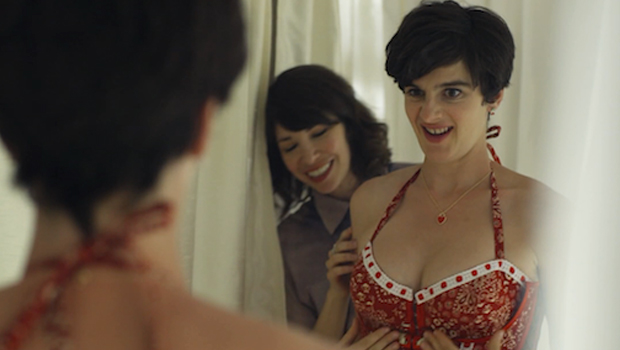
Gaby Hoffmann, who is a national treasure. Besides providing such selfless, straight-shooting support to Obvious Child, ensuring that the film remain a warm and witty sketch of a circle of intimates rather than a lopsided vanity project, and giving Girls’ third season a welcome dose of droll derangement as Adam Driver’s loopy sister, Hoffmann is fully deserving of the praise and prizes that Jeffrey Tambor has received for Jill Soloway’s miraculous series Transparent. The entire familial ensemble (to include Jay Duplass, Amy Landecker, and Judith Light) clicks like crazy, with each performer projecting a whole host of complex and authentically-layered affinities, histories, and antipathies around one another, but it’s Hoffmann’s work as impetuous, indecisive baby sister Ali that has somehow lingered the most in my mind. It’s one thing to take the role of the caustic, cash-strapped family fuck-up and make her funny, charming, and inappropriate. It’s another thing entirely to invest so much extra ruefulness, wistfulness, selfishness, self-righteousness, sexiness, continually shifting sensibleness, and totally committed weirdness into a single character that she becomes someone we not only know, but someone we are unable to remember not knowing.

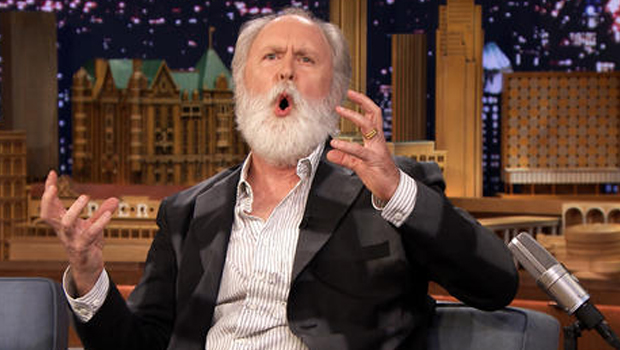
John Lithgow, who has had quite an enviable hot streak this year, the crowning achievement of which is his beautifully loose and lived-in performance as one half of 2014’s most believable onscreen couple, gay or otherwise, in Ira Sachs’ Love is Strange. In addition to his affecting and attentive leading man work, Lithgow also made his mark in two other noteworthy releases, imbuing bit parts in both The Homesman and Interstellar with muted, offhanded conviction. And that’s just on screen! Lithgow also gave good Lear in the Public’s August Shakespeare in the Park production, nailing the punchy imperiousness while adding an ungainliness to the declining King that in its plaintive way was just as tragic as any of the Bard’s plot turns. He’s also currently co-starring with Duncan in that same production of A Delicate Balance, closing out a banner year with yet another reminder that our most abiding and admired talents have endless shades to show us.

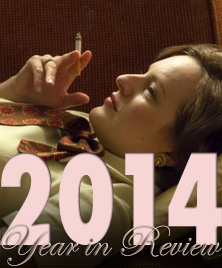
Elisabeth Moss, who, on the basis of her sterling work on the Sundance circuit, proves once again that she will be just fine when Don Draper lights up for the last time. She earned raves this year as Jason Schwartzman’s straying, sympathetic girlfriend in Listen Up Philip and rejuvenated some run-of-the-mill themes about marital devotion inThe One I Love with such a persuasive mix of pep and precision that I hardly noticed their familiarity. I’m excited by the prospect of Moss becoming a full-time film presence, but I hope she gets handed at least half as dynamic a role as Peggy Olson, whose professional rise and personal stalling-out Moss continued to chart with instinctive emotionality and endless empathy on the first half of Mad Men’s final season, which began with Peggy collapsing in tears on her apartment floor and ended with her officially taking the reigns from her former boss-turned-humbled colleague. Even if Emmy, SAG, and Golden Globe voters failed to appreciate the magnificence of Moss’ work this year, those of us still watching can take pride in seeing this superbly skillful actress finish off her work as one of TV’s most beloved heroines before heading off into the promising future that awaits her.