Oscar History
Film Bitch History
Welcome

The Film Experience™ was created by Nathaniel R. All material herein is written by our team. (This site is not for profit but for an expression of love for cinema & adjacent artforms.)

Follow TFE on Substackd

Powered by Squarespace
DON'T MISS THIS

Oscar Volleys - one week until the big night!  


What'cha Looking For?
Subscribe

Entries in Production Design (231)

Wednesday
Jun242020

The Furniture: Social Distancing with Safe

"The Furniture" is our series on Production Design by Daniel Walber. Click on the images to see them in magnified detail.
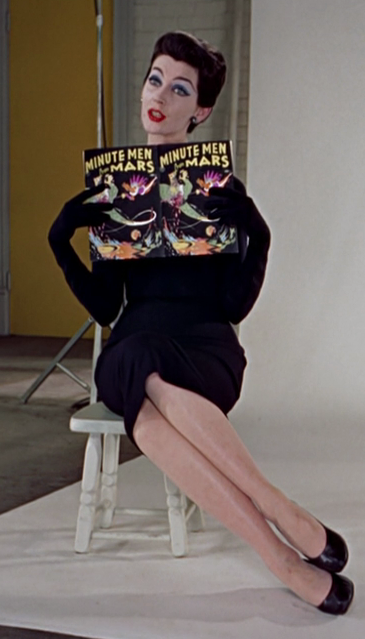
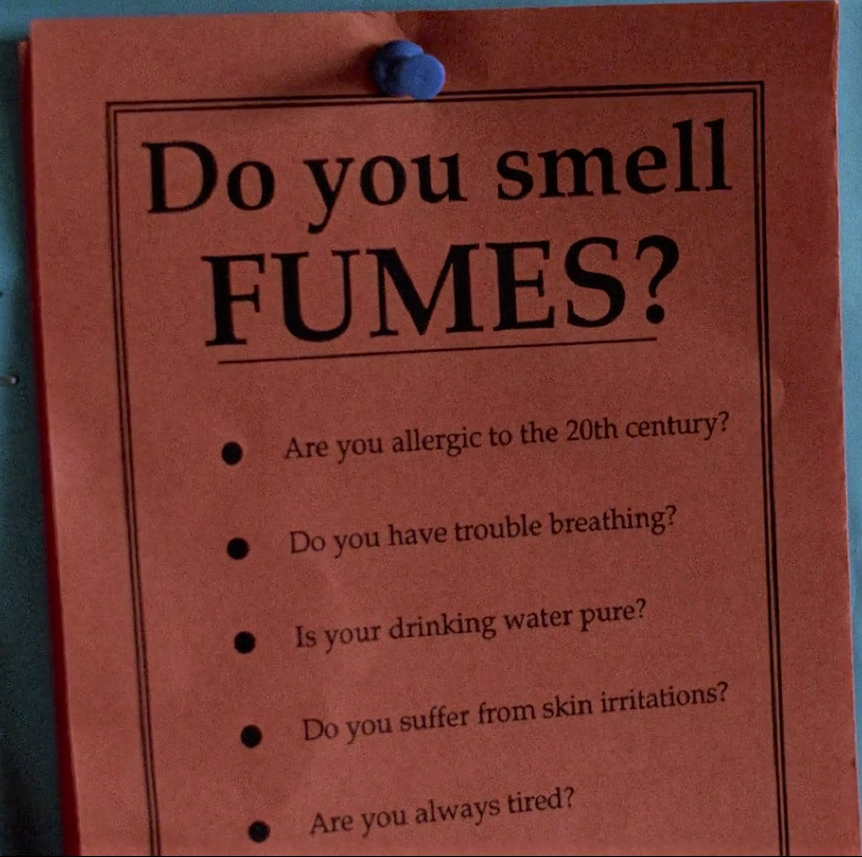
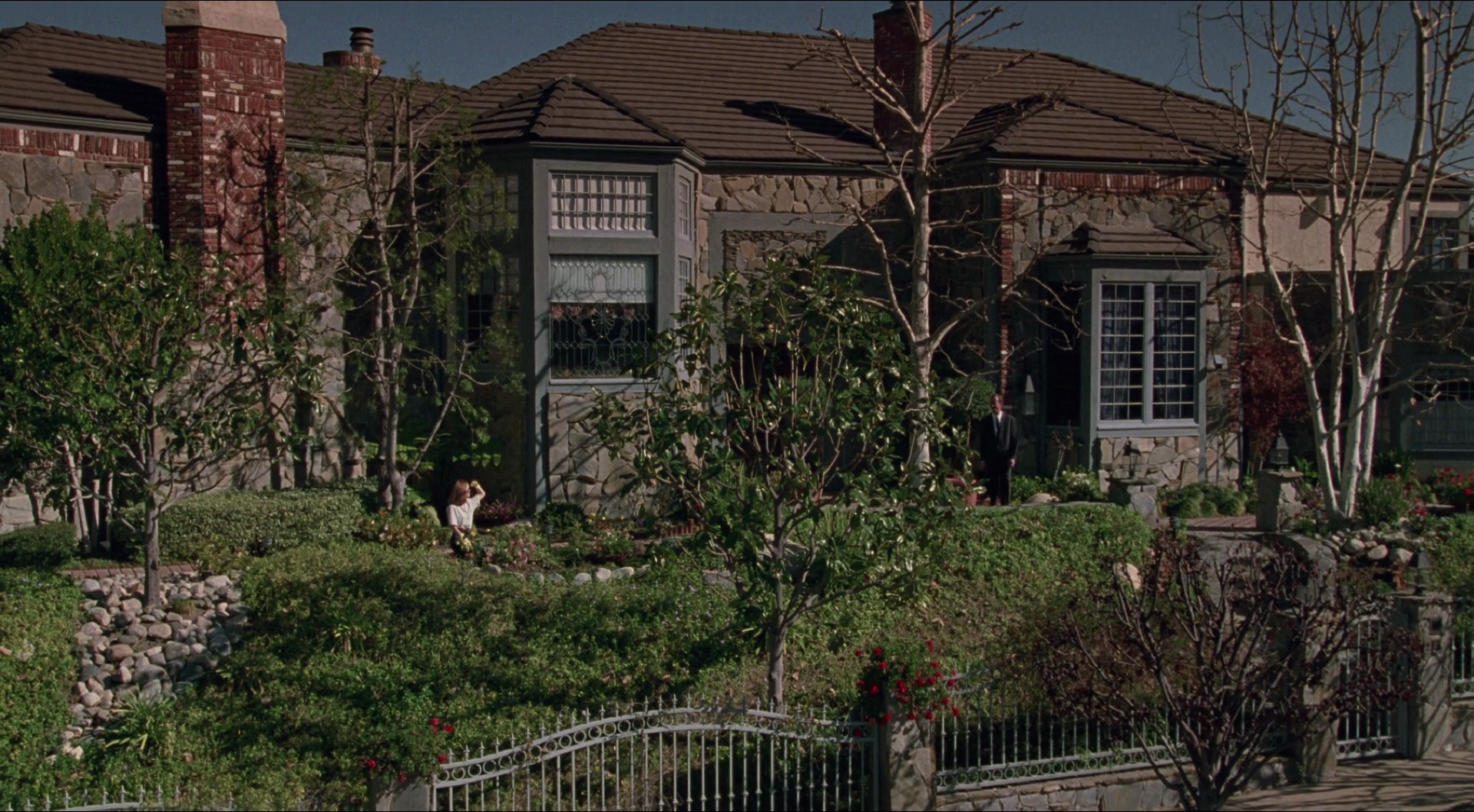
Safe turns 25 years old this week. I’d say it’s “more relevant than ever,” but just typing those words felt ridiculous. Todd Haynes made Safe about the way America responded to AIDS, and that’s still relevant because America has not changed. And so here we are, in another crisis of public health, watching the same phenomena play out in similar ways.

Let's talk about two of them. First, the way that AIDS was ignored by those who saw themselves as unaffected, even immune. Reagan could choose to do nothing because, to so many Americans, it happened to “other people.” Second, the way that its victims were blamed for their own sickness. Contracting HIV was seen as the result of a moral failure - something we’ve seen time and again, from cholera and tuberculosis to SARS and COVID-19.

25 years later, another Republican president is playing the same game. The response has been a torrent of virulent racism and an utter denial of medical reality. And once again, there is a prevailing attitude that contracting the virus is one’s own fault.

Did rewatching Safe make me feel better about any of this? Absolutely not. But it did cause me to think about a new relevance...

Click to read more ...

Wednesday
Jun172020

The Furniture: Architecture of Anxiety in The Golem

"The Furniture" is our series on Production Design. Click on the images to see them in magnified detail.

 by Daniel Walber

The story goes that Paul Wegener first heard of the Golem while shooting The Student of Prague (1913). Though he was clearly caught by the story, Wegener may also have been entranced by a glimpse of the old Josefov, Prague’s Jewish ghetto. Dating back to the Middle Ages, the neighborhood was almost entirely demolished between 1893 and 1913 to make room for Paris-style boulevards. Inspired, Wegener made two (now-lost) Golem movies during World War One - though not in Prague.

By the time he started on The Golem: How He Came into the World (1920), the world had changed. The Austro-Hungarian Empire was gone. Prague was the capital of brand-new Czechoslovakia, a Czechoslovak-speaking nation - which would be complicated for its mostly German-speaking Jews. Frankly, Wegener could have set his Golem movie in 1920 if he wanted...

Click to read more ...

Wednesday
Jun102020

The Furniture: Shirley and the Haunting of Her Own Grim House

"The Furniture" is our series on Production Design. Click on the images to see them in magnified detail.

by Daniel Walber

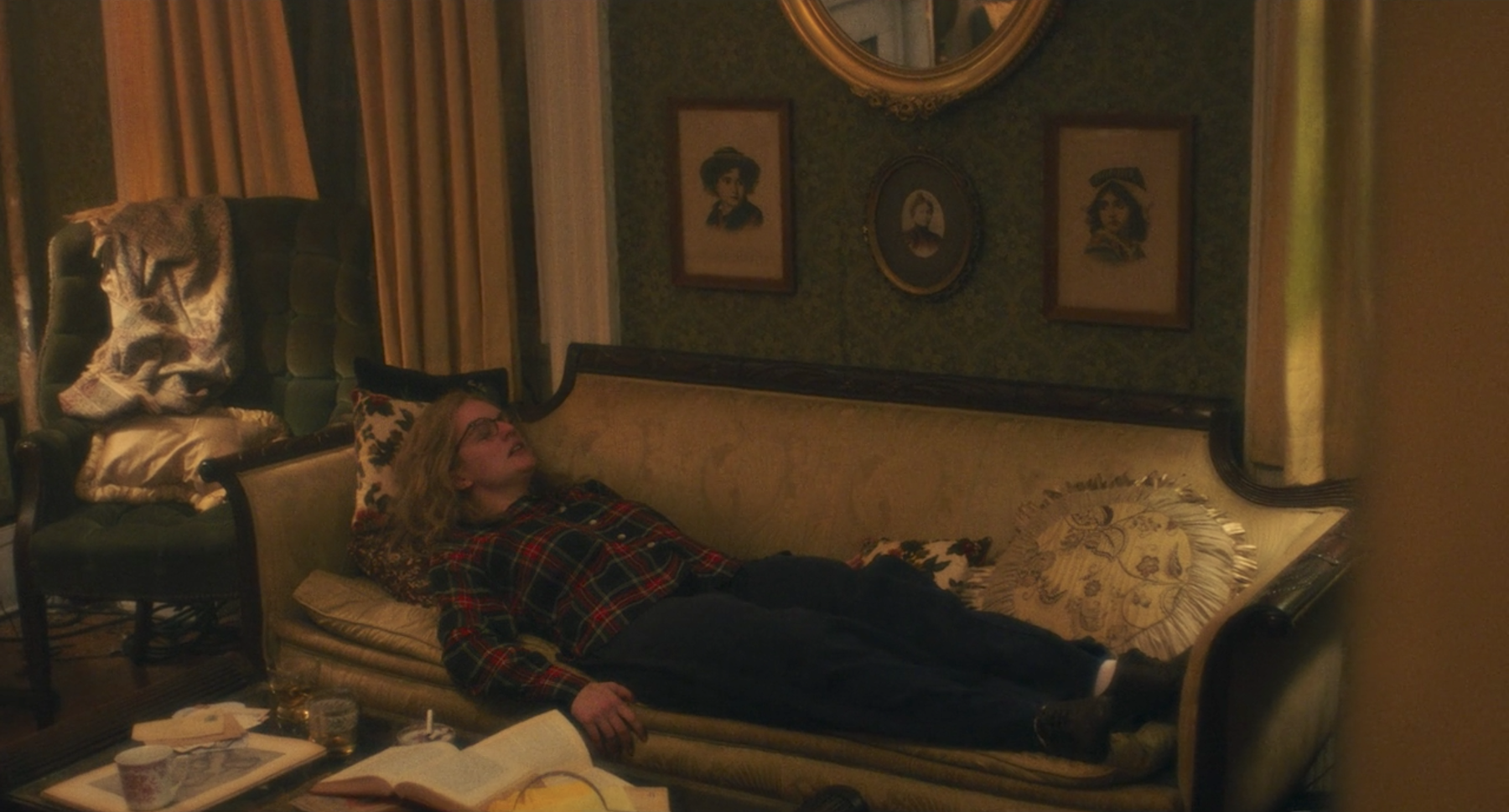
“A clean house is evidence of mental inferiority,” snaps Shirley Jackson (Elisabeth Moss) from her bed, annoyed by her husband for so many reasons. One of them is Rose (Odessa Young), the young bride that has just arrived to keep an eye on both the housekeeping and Shirley.  And with both husbands at campus most of the day, the two women will be spending a lot of time together in this beigely bewildering, story-haunted house.

After all, any house can be a haunted house. And while director Josephine Decker doesn’t send in any actual ghosts, Shirley is as spooky as much of Jackson’s own fiction...

Click to read more ...

Wednesday
Jun032020

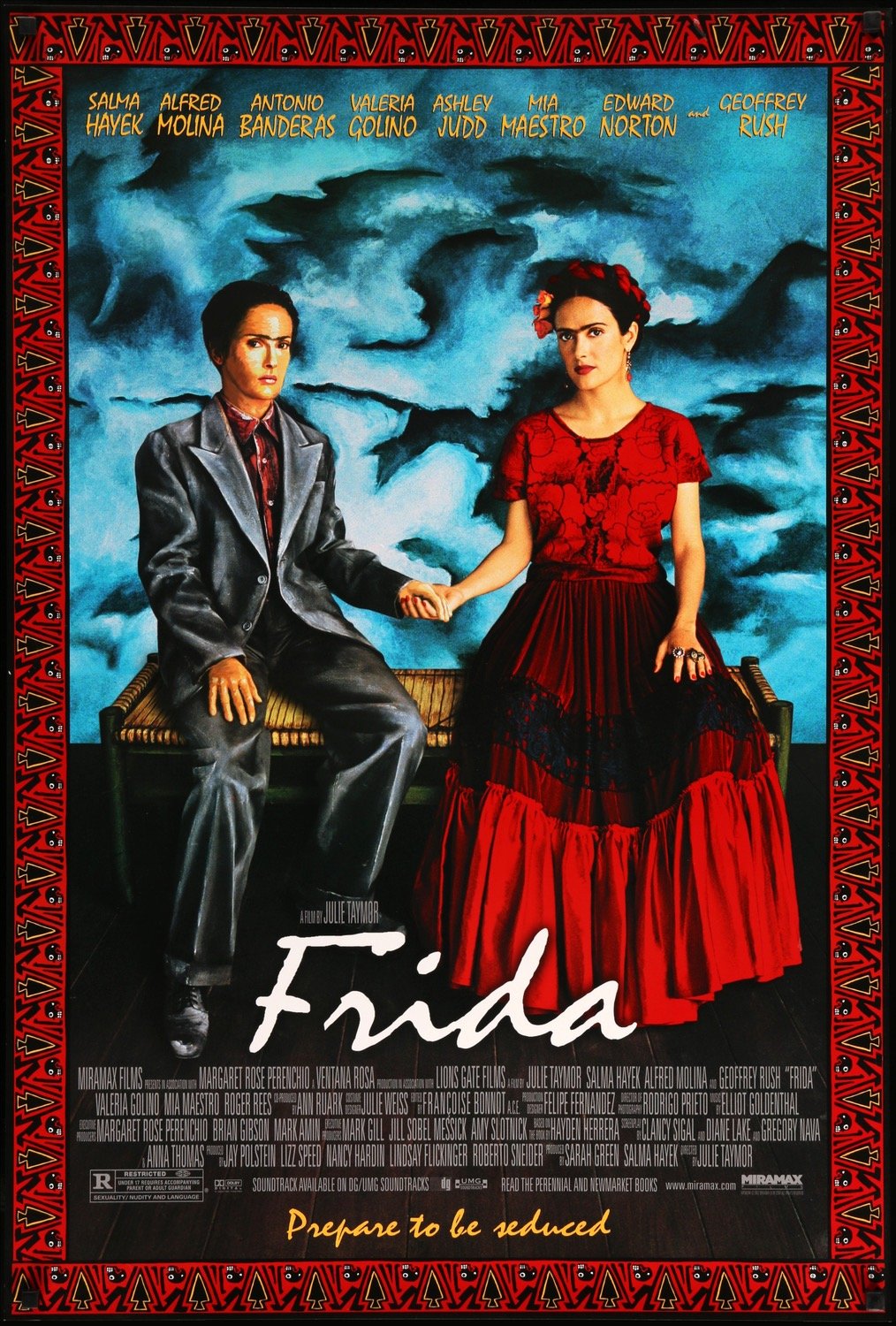
The Furniture: On Frida's Mirrors and Diego's Walls

Daniel Walber's series on Production Design. Click on the images to see them in magnified detail.

Nearly 20 years on, Julie Taymor’s Frida remains both breathtaking (those Quay Brothers puppets!) and befuddling (why isn’t it in Spanish?). It holds up better as a visual experiment than as a biopic, despite the richness of Salma Hayek’s performance. Filmmakers have long struggled to bring the lives of visual artists to the screen in dynamic, resonant ways. Some fail.

When Frida does succeed, it’s largely due to its Oscar-nominated team of art director Felipe Fernández del Paso and set decorator Hania Robledo. Their work doesn’t simply represent the art of Frida Kahlo and Diego Rivera, but interprets it. By transforming Kahlo’s paintings into the stuff of cinema, they directly engage with their meaning - or, rather, Taymor’s own interpretation of those meanings. The result is a film with a lot to say about materiality and identity, the value of brick and the value of life.

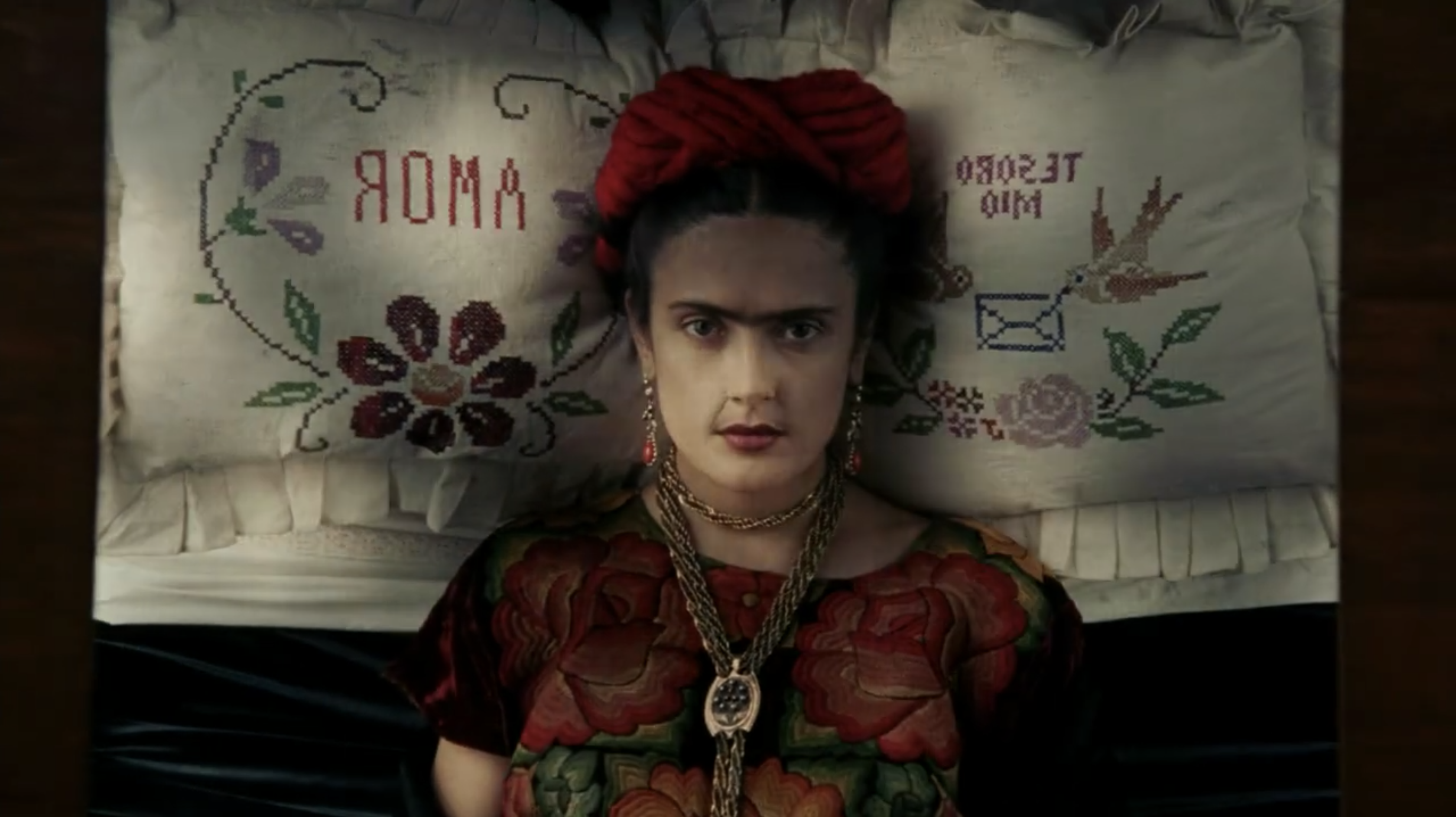
We begin with Frida’s bedridden journey to her first solo show in Mexico City. She is carried out of the house aloft, head resting on an embroidered pillow that reads “Amor” and “Tesoro Mio.” But then we see her through her eyes, as she looks up to the mirror into the canopy of her bed, the flowers reflected back at her.

Click to read more ...

Wednesday
May272020

The Furniture: Taking Joan of Arc Out of Time

Our Production Design series by the brilliant Daniel Walber is finally back for another season. Click on the images to see them in magnified detail. - Editor

by Daniel Walber

Why make a new movie about Joan of Arc? What hasn’t been said? The first film about her was made in 1898 and there have been dozens since. Some of them are regarded among the best films ever made. Why bother?

A few years ago, Bruno Dumont chose to answer these questions with a heavy metal musical. Jeannette: The Childhood of Joan of Arc (2017) is thrillingly strange, anointing the dunes of Dumont’s beloved Pas-de-Calais with dancing nuns and sung revelation. The music lends an unearthly gravitas to Joan’s visions, similar to how Breaking the Waves (the opera) presents Bess’s faith in a very different light than Breaking the Waves (the movie). I’d have written about it, but there’s no furniture to speak of - the entire film takes place outdoors.

Not so with the 2019 sequel...

Click to read more ...