Oscar History
Film Bitch History
Welcome

The Film Experience™ was created by Nathaniel R. All material herein is written by our team. (This site is not for profit but for an expression of love for cinema & adjacent artforms.)

Follow TFE on Substackd

Powered by Squarespace
What'cha Looking For?
Subscribe

Entries in Production Design (232)

Monday
Apr102017

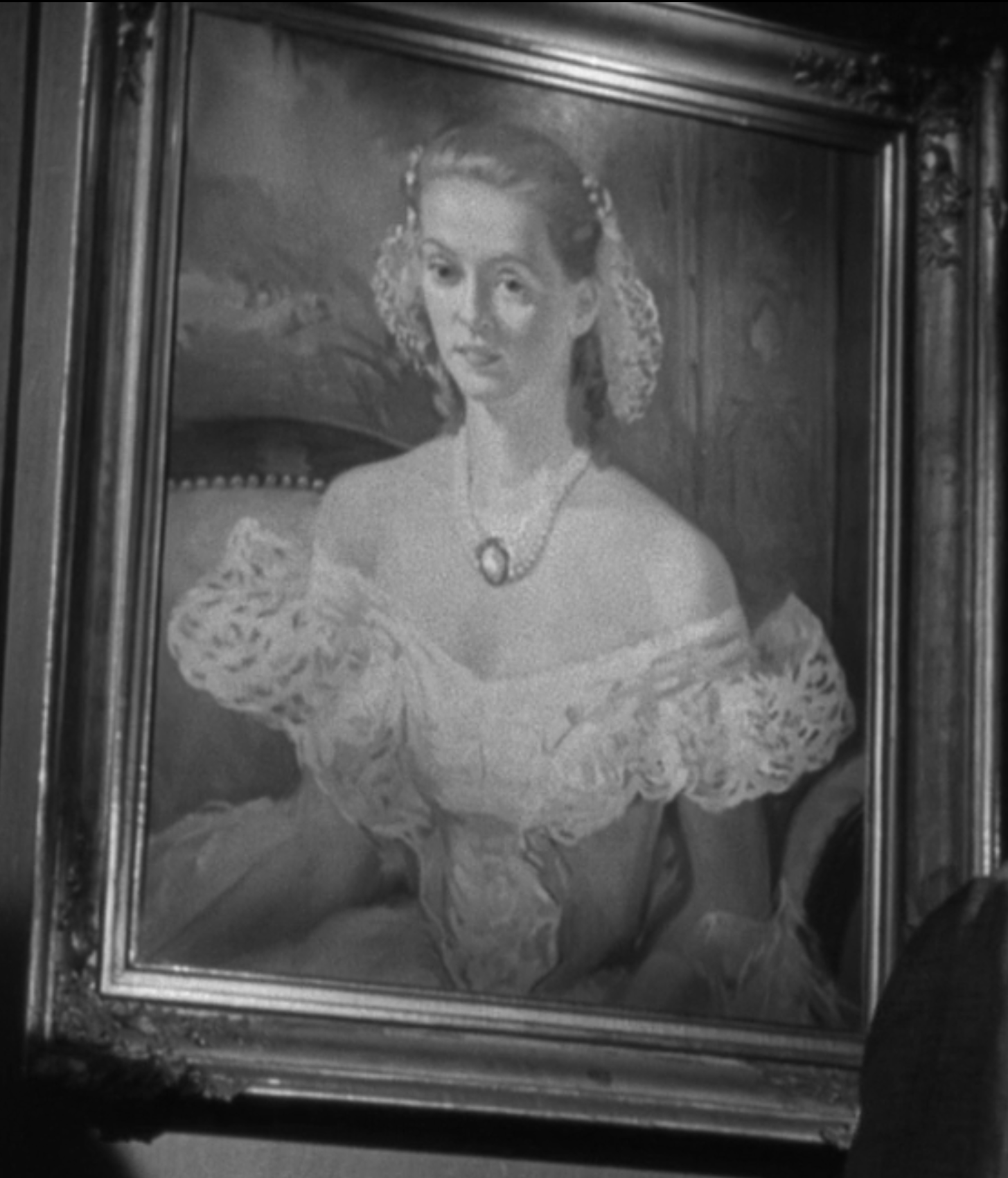
The Furniture: Hush...Hush, Sweet Charlotte, Your House Is Listening

"The Furniture" is our weekly series on Production Design. You can click on the images to see them in much more magnified detail. Here's Daniel Walber...

 “Hush hush, sweet Charlotte,” Patti Page softly croons, “He’ll love you till he dies.” The title song of Hush...Hush, Sweet Charlotte may not be as catchy as “Chim Chim Chiree,” which took the Oscar, but it has a much creepier sort of staying power. Here’s the final verse:

“And every night after he shall die
Yes every night when he’s gone
The wind will sing you this lullaby
Sweet Charlotte was loved by John.”

The music haunts Charlotte Hollis (Bette Davis), along with everything else: her house, her family and her memories.

This Southern Gothic vibe is what separates the film from What Ever Happened to Baby Jane? Well, that and the fact that Joan Crawford walked off the set. But I will leave the offscreen drama to Ryan Murphy...
Click to read more ...

Friday
Apr072017

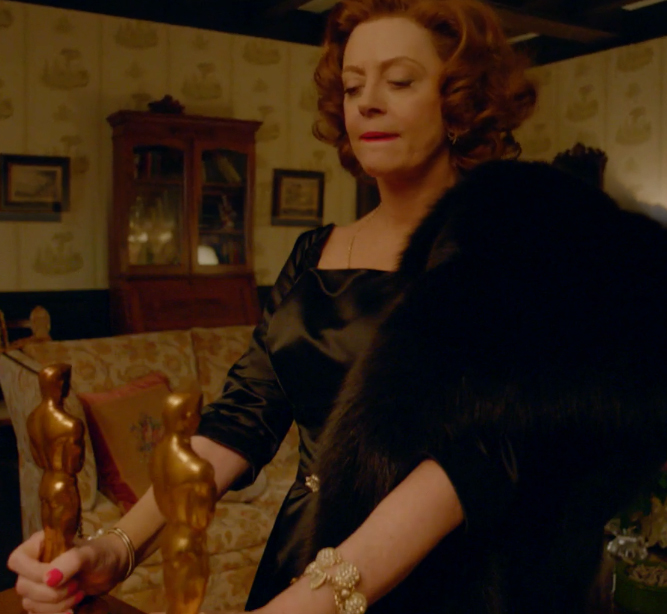
Feud: Bette and Joan "And the Winner Is" (Part 2) 

Previously... And the Winner Is (Pt 1)

-Wait up for me boys. Tonight I'm bringing you home a baby brother.

by Nathaniel R

Picking up where we left off... and, to quote, Mamacita (the delightfully dry Jackie Hoffman) "pick up the pace, it's Oscar day!"

In the second half of Feud's best episode, after watching Joan & Hedda swaying voters away from Bette Davis and arranging for Joan to both present (Best Director) and accept (Best Actress should Bancroft or Page win), it's time for Oscar night. A whole army of hair and makeup people swam Chez Crawford...

Click to read more ...

Monday
Apr032017

The Furniture: Repairs for the House in "20th Century Women"

"The Furniture" is our weekly series on Production Design. You can click on the images to see them in much more magnified detail. Here's Daniel Walber...

"The house is a character in its own right," everyone says. It’s one of our more meaningless cliches, poltergeists notwithstanding. But the sentiment behind it is understandable. A building, though hardly alive, can still offer charisma. A dynamic visual language can be built from its beams.

20th Century Women has one of these abodes. The house in question belongs to Dorothea (Annette Bening), who lives with her son Jamie (Lucas Zumann) and two boarders, Abbie (Greta Gerwig) and William (Billy Crudup). As she explains to a fireman she’s invited to a party...

Click to read more ...

Monday
Mar272017

The Furniture: A Tarot Reading with "The Love Witch"

 "The Furniture" is our weekly series on Production Design. You can click on the images to see them in much more magnified detail. Here's Daniel Walber...

Over the last year, I’ve written about a fair number films in which the costume design and production design are intimate companions. The Taming of the Shrew is the most recent example, a visual cornucopia that underlines Zeffirelli’s tendency to paint people and props with the same brush. Yet that flamboyant director was not actually the credited costume designer or production designer. His style, like that of most filmmakers, was the result of artistic collaboration.

Not so for The Love Witch, a much more literal “singular vision.” Director Anna Biller worked as both production designer and costume designer for her film, as well as art director, set decorator, editor, composer, writer and producer. The film’s strikingly unified aesthetic certainly can be attributed to this herculean labor, but that’s hardly the only impact. The magic of The Love Witch is in its details, the cumulative effect of Biller’s meticulous and varied craft.

Click to read more ...

Monday
Mar202017

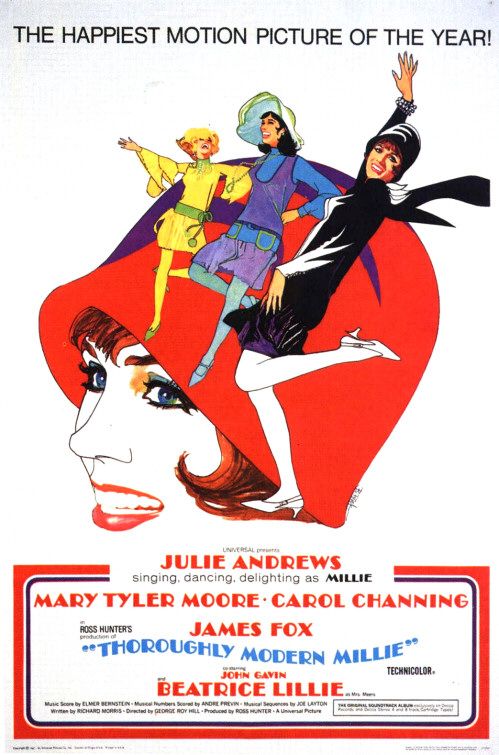
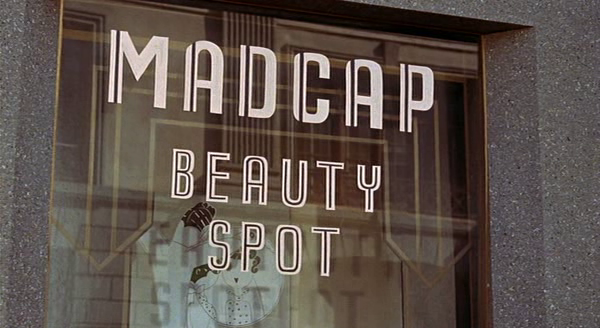
The Furniture: Thoroughly Modern Millie

"The Furniture" is our weekly series on Production Design. Here's Daniel Walber...

Thoroughly Modern Millie opened 50 years ago this week, in the spring between San Francisco’s Human Be-In and the Summer of Love. None of 1967’s Best Picture nominees, immortalized as the birth of the New Hollywood in Mark Harris’s Pictures at a Revolution, had yet opened, but there was already something in the air.

Director George Roy Hill capitalized on this countercultural moment with an extravagant show of concentrated nostalgia. Thoroughly Modern Millie leaps back to the Roaring 20s, America’s last moment of liberated sexuality and conspicuous consumption before the Great Depression. Its flamboyant, frenetic ode to the flappers and their world was a big hit, making more than $34 million and landing 10th at the yearly box office. The film was nominated for seven Oscars including Art Direction-Set Decoration.

Yet its portrayal is not without contradictions...

Click to read more ...